
3 Fundamentals That Can Change the Way You Approach Ballroom Dancing
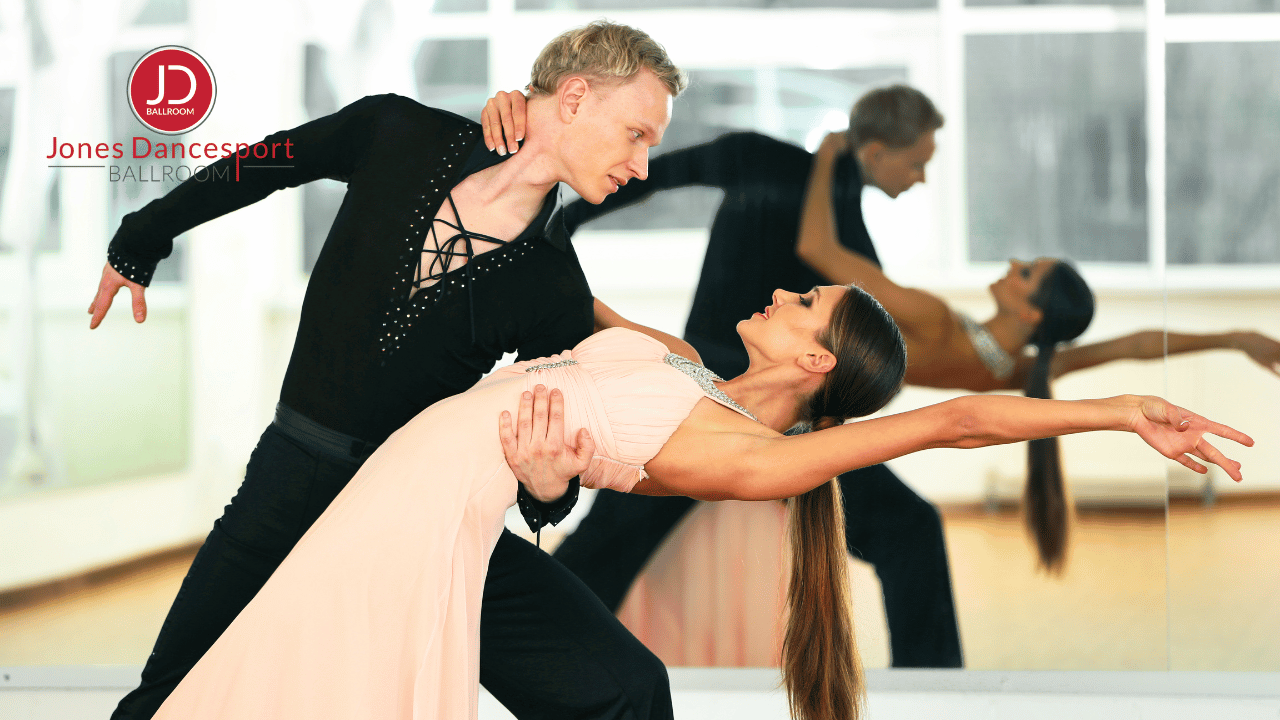
Watching a couple glide across a dance floor can feel mesmerizing. It looks completely effortless. However, that seamless movement is rarely just about memorizing the right steps. The difference often comes down to posture, musical timing, and how the dancers respond to each other. If you are looking into ballroom dance Atlanta lessons, focusing on three core pillars can completely reshape your practice sessions, changing everything from your very first basic step to complex choreography.
At Jones Dance Sport, we know great dancing goes way beyond repetitive footwork drills. Through our private lessons and group classes here in Georgia, we help students develop their technique while exploring different dance styles. Before trying to pack your brain with dozens of new patterns, let’s look at how to make your current steps work beautifully for you.
1. Posture and Frame: Make Every Step Count
You can memorize a whole routine cover-to-cover and still feel like your movements aren't quite flowing. Why does that happen? Usually, it comes down to your structural foundation.
Good posture helps you maintain balance as you move, while your frame—the shape you build with your arms and upper body—is how you talk to your partner without saying a word. Neither element should ever feel stiff or forced. The goal is simple: maintain alignment and balance without unnecessary tension.
Think about the Waltz. As you travel across the floor, your movements need to connect seamlessly. If you are looking down at your toes, hunching your shoulders, or leaning too far forward, maintaining that momentum becomes much harder. Working on these fundamentals in a ballroom dance Atlanta class can help you develop better movement habits.
Next time you are practicing, notice a few small adjustments:
Keep your head lifted naturally and let your shoulders drop away from your ears.
Distribute your weight evenly so transitions happen smoothly between steps.
Keep your arms alive and supportive without locking your elbows.
Practice simple patterns slowly before trying to speed them up.
These adjustments help you develop body awareness and build a stronger foundation for turns, transitions, and longer combinations.
2. Musicality: Stop Counting Steps and Start Feeling the Dance
Counting beats gets you started. But it is the music that actually brings your dancing to life.
Basic timing means hitting the step on the correct count. Musicality goes a step deeper. It is how your body responds to a song’s rhythm, tempo, and overall feel. Every dance style has a distinct musical personality, and tuning into that character changes how you interpret each movement.
Consider the contrast between a Waltz and a Cha-Cha. The Waltz follows a flowing three-beat rhythm. The Cha-Cha has a distinctive syncopated rhythm and a lively character. Using the exact same movement quality for both styles strips away what makes them special.
You don't need wild choreography to start building this skill. You can practice it with the basics:
Pick a song specifically suited to the dance style you are learning.
Listen to the beat before you start moving.
Count along out loud, then try a basic pattern at a relaxed pace.
Focus purely on how your weight transfers match the music, rather than worrying about what comes next.
If you are currently comparing ballroom dance GA classes, look for lessons that teach you to interpret the music, not just track numbers. The goal isn't to make your movements bigger or faster. It is to make them mean something.
3. Partner Connection: Learn to Move Together
Ballroom dancing isn't two people doing solo routines side by side. It is a physical conversation.
Leading and following are entirely about clear communication, shared balance, and instant responsiveness. When both dancers stay attentive to each other, transitions can feel more coordinated. When one dancer rushes ahead or anticipates the next step, the connection can become less clear.
Take a simple turn, for example. Rather than forcing the shape or trying to anticipate the lead, both partners have to stay present, adjusting to each other as the movement develops. Awareness and clear communication matter more than dramatic movements.
Developing a reliable connection takes practice and helps both partners move with greater awareness and coordination.
You can build a better connection by keeping three things in mind:
Awareness: Notice your partner's positioning instead of concentrating only on your own feet.
Control: Complete each step with balance rather than rushing straight into the next pattern.
Communication: Keep your movements clear and your frame steady, without using unnecessary physical force.
You don't need to bring a partner to start learning. In our group classes, you can practise your skills and build greater awareness of how you move with a partner.
Turn Better Fundamentals Into Better Dancing
Posture keeps you balanced. Musicality gives your steps a voice. Connection ties it all together. These fundamentals feed into each other constantly, making them worth your attention whether you are a total beginner or an advanced dancer refining your technique.
At Jones Dance Sport, we offer private lessons and group classes that help you develop your dancing skills. If you are exploring ballroom dancing in Georgia, we invite you to come see what our community is all about.
Ready to improve your ballroom dance Atlanta skills? Discover how better posture, musicality, and partner connection can transform your dancing. Get started today!